We listen first.
Tell us when the fire happened, where it began, which rooms were affected, and what firefighters did at the property.
FIRE DAMAGE RESTORATION · CHARLOTTE, NC
Fire damage can involve smoke, soot, odor, water, damaged materials, and personal belongings. Call us for a straightforward conversation about what happened and what may need attention.
CALL CHARLOTTE FIRE RECOVERY(980) 333-4525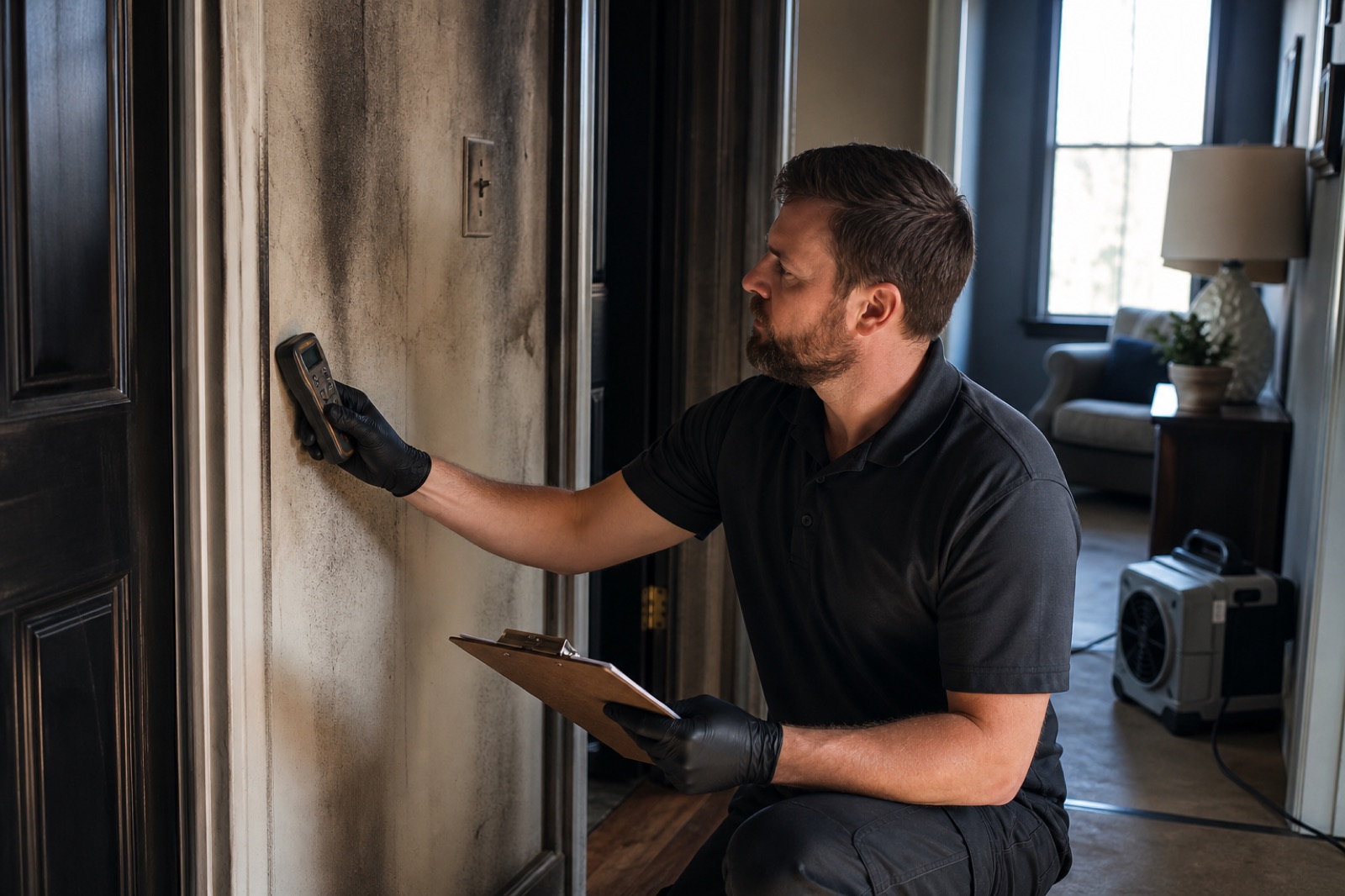
WHY PROPERTY OWNERS CALL US
Some companies rush to describe the work before they understand the property. We begin by listening, organizing the facts, and explaining what matters in a way you can follow.
Tell us when the fire happened, where it began, which rooms were affected, and what firefighters did at the property.
Smoke, water, materials, rooms, air pathways, and belongings can affect one another. We keep those connections in the conversation.
A proposed step should have a clear purpose. We want you to understand the questions, the options, and what remains uncertain.
WHAT MAY NEED ATTENTION
Residue and odor can move through doors, stairs, wall openings, attics, and heating or cooling pathways. The darkest visible mark may not show the full affected area.
Water used to control the fire may affect drywall, insulation, framing, cabinets, flooring, subfloors, and belongings.
Wood, drywall, metal, glass, flooring, cabinets, electronics, and fabrics do not all respond to heat, residue, and moisture in the same way.
Documents, clothing, furniture, electronics, and sentimental items deserve separate decisions based on their condition and importance to you.
CHOOSING A COMPANY

CHARLOTTE, NORTH CAROLINA
Charlotte has detached homes, townhomes, apartments, condominiums, offices, older buildings, renovations, and newer mixed-use properties. Layout, shared walls, attics, garages, mechanical systems, materials, and belongings can all influence the recovery questions.
That is why we ask about the actual event and the actual building instead of pretending one generic answer fits every property.
Learn how smoke, water, materials, and belongings connectRecover from fire, smoke, soot, odor, and water
After a fire, corrosive soot can settle far beyond the burn area, smoke odor can remain in porous materials, and firefighting water can create a second layer of damage. The recovery plan needs to address all of it in the right order.
Document fire damage, smoke paths, soot, odor, firefighting water, affected contents, and unsafe materials before cleanup begins.
Address damaged openings and vulnerable areas with temporary protection suited to the actual condition of the property.
Use material-appropriate methods to remove corrosive residue instead of spreading it across walls, ceilings, fixtures, and contents.
Remove and clean odor-holding residue and materials rather than trying to cover the smell with fragrance.
Extract and dry water left by hoses or sprinkler systems so a fire loss does not become a moisture problem too.
Keep contents decisions, cleanup, documentation, and rebuilding organized as one recovery plan.
What is at stake
The priority is to protect the building, remove damaging residue, dry firefighting water, address odor at its source, document the loss, and organize the reconstruction path.
Address openings, debris, utilities, and unsafe areas before cleanup activity exposes the building to more loss.
Match soot, smoke, and odor treatment to the affected surfaces and contents instead of masking visible or airborne evidence.
Keep water removal, contents, cleaning, documentation, and reconstruction moving as one organized project.
We work with property insurance claims by helping document the loss with photographs, condition or moisture information, and restoration scope details, and we can coordinate with your insurance adjuster when requested. Coverage, deductibles, and payment decisions remain subject to your policy and carrier.
Property owners throughout Charlotte, NC can call for help with assessment, cleanup, documentation, and a practical restoration plan based on the damage found at the property.
Coordinate the full recovery
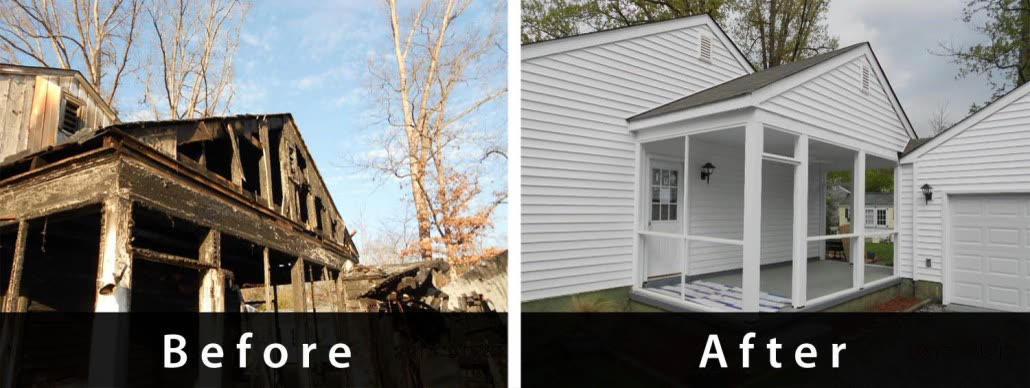
Fire recovery can involve damaged materials, smoke and soot residues, odors, suppression water, contents, drying, cleanup, and reconstruction. A clear sequence helps turn a difficult property condition into manageable decisions.
COMMON QUESTIONS
If a fire is active or anyone is in danger, call 911. Do not enter until fire authorities say the property is safe. After release, gather the room of origin, timing, affected spaces, utility status, visible soot or water, odor movement, and any instructions already provided.
Smoke and fine residue can move through doorways, stairwells, wall openings, return-air paths, supply registers, attics, and connected rooms. The practical work boundary depends on what burned, airflow, layout, surfaces, and the duration of the event.
Often, yes. Suppression water may affect drywall, insulation, framing, cabinets, flooring, subfloors, and contents. Smoke, soot, odor, and moisture should be considered together so drying, removal, cleaning, and repair decisions do not conflict.
No. Residue type, heat exposure, finish, porosity, age, value, and practical replacement options matter. Material-specific evaluation and testing are more useful than one method applied to every surface.
It separates emergency safety from restoration, reconstructs the event, identifies connected rooms and systems, distinguishes structure from contents, addresses suppression water, and explains what information is still needed before a final work boundary can be defined.
Call (980) 333-4525. This website is call-only and does not use contact forms or SMS funnels.
THE NEXT STEP IS SIMPLE
We will start with the property, the affected rooms, the smoke, the water, the materials, your belongings, and the questions you need answered.
whole-property fire recovery brief
Charlotte fire losses can involve smoke travel, soot residues, suppression water, contents, and damaged finishes. The visible burn area is only one part of the property story. A useful first call separates direct fire damage, smoke movement, soot deposition, water used during suppression, affected contents, and the rooms connected by doors, halls, stairs, and air movement.
Ask how the company plans to distinguish materials that may be cleaned from those that may need removal, how contents will be considered, and how water-related drying fits into the sequence. Clear explanations are more useful than a generic package or an unsupported promise.